2026-09-23
LHA Peel in Hongdae: Can You Get It When Dead Skin Cells Flake Up?
Wondering if an LHA Peel is safe for flaky skin? Discover why visible flakes don't always mean you need exfoliation and how to care for sensitive skin in Hongdae/Hapjeong before getting treated safely.
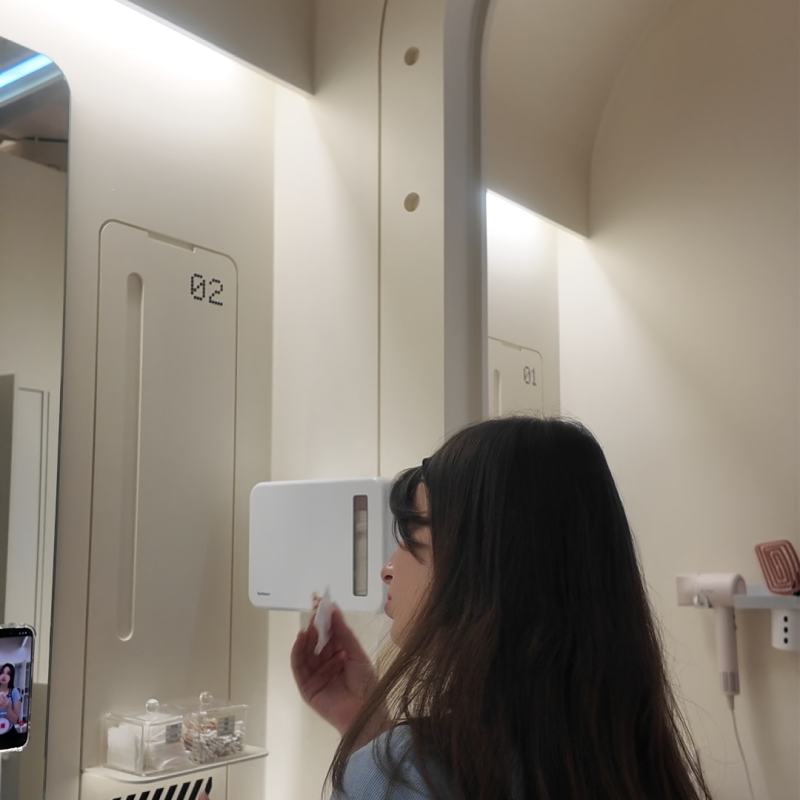

When you put on makeup in the morning only to find flaky dead skin cells around your cheeks or mouth, your first instinct is often to scrub them away. Even after applying moisturizer, if the flakiness persists, you might wonder if it's time for a chemical peel. Many people come across the LHA Peel (Lhala Peel), read that it's low-irritation, and consider booking an appointment right away.
However, visible flakiness alone does not automatically mean your skin needs a peel. Dryness or underlying irritation can also make the skin surface rough and flaky. If you are also experiencing stinging and redness, it is far better to first understand why your skin feels uncomfortable, rather than focusing on peeling more away.
Today, we will discuss the key skin conditions and aftercare methods to check when considering an LHA Peel around Hongdae and Hapjeong. Rather than simply categorizing yourself as having "sensitive skin" and deciding from there, start by reviewing what your skin has experienced recently.
Pay attention to the symptoms accompanying the flakiness
Even if flakiness looks similar on the surface, the level of skin distress can vary greatly. Check whether your skin is just dry without stinging, burns even when water touches it, or suffers from recurrent redness and itching. Explaining these details helps determine if it is the right time to consider a peel.
Rubbing with scrubs or peeling pads every time you see flakes can cause severe irritation. In particular, if your skin has wounds or is sunburned, do not attempt to exfoliate first. If redness or itching persists in a specific area, do not dismiss it as a simple texture issue; have it evaluated during a medical consultation.
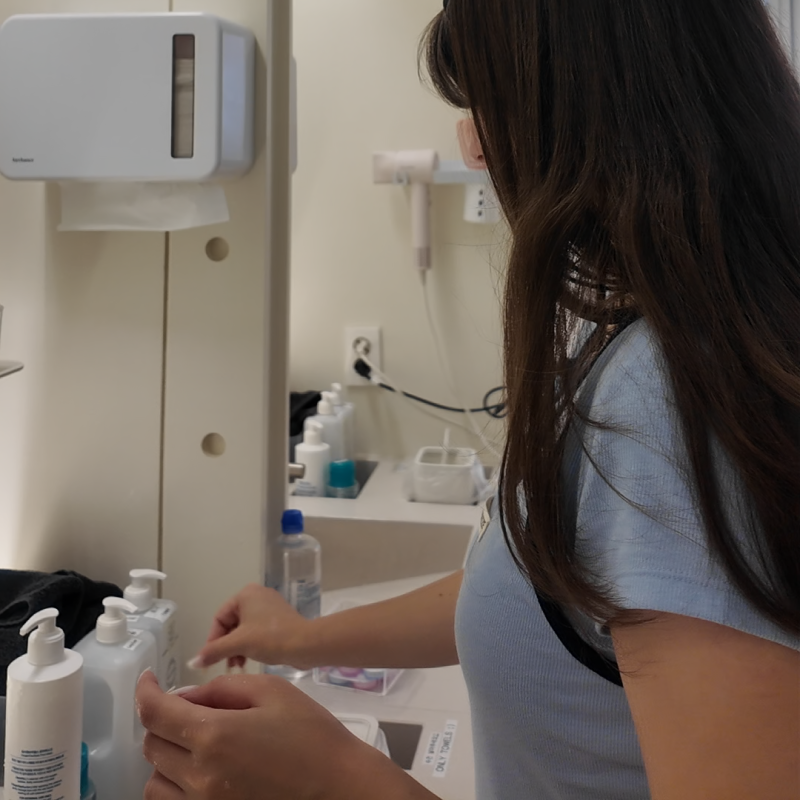
Have you switched skincare products recently?
Think back to whether the flakiness worsened after using a new cleanser or exfoliating pad. If you are using retinol products, prescription retinoids, or benzoyl peroxide, make sure to inform the practitioner during your consultation. Combining these active ingredients with an exfoliating peel can intensify dryness and irritation.
You do not need to memorize every product name. You can simply show photos of the packaging or ingredients list and explain how often you used them. For prescription treatments, do not stop them arbitrarily; share your usage details so the practitioner can determine if adjustments are needed. Introducing several new skincare products right before a treatment makes it difficult to pinpoint the cause of any sudden reaction.
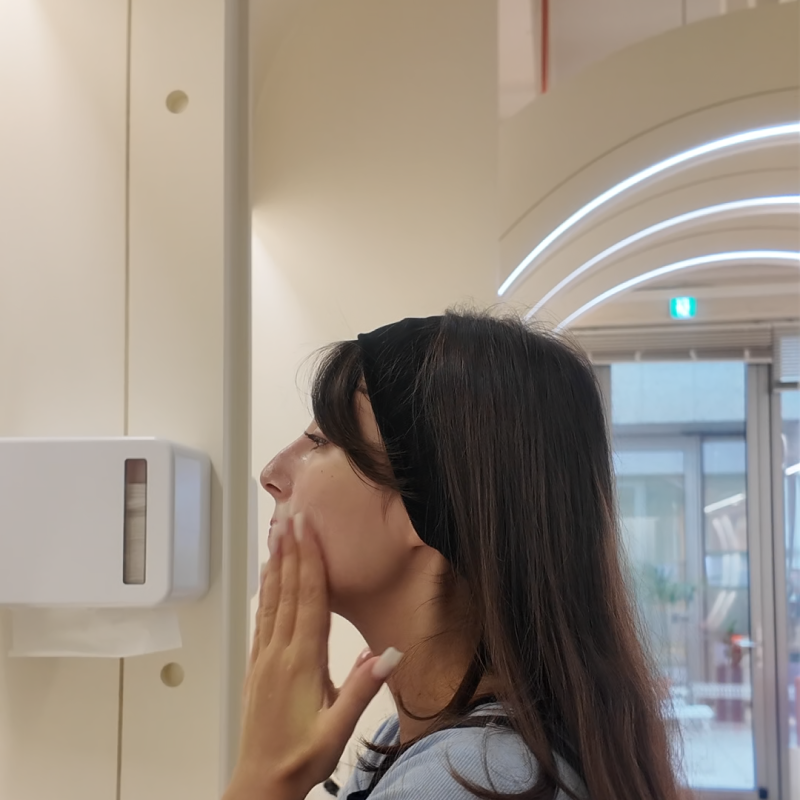
What kind of treatment is the LHA Peel?
The LHA Peel (Lhala Peel) is an exfoliating program utilizing LHA (Capryloyl Salicylic Acid). The authentic system consists of BASIC and ULTRA steps. However, understanding what ingredients make up a product is one thing, while determining whether it is suitable for your skin today is a separate evaluation.
Do not assume it will be completely irritation-free merely because it is advertised as "mild" or a "next-generation peel." For any treatment, your current skin barrier condition, active products, and past reactions must be evaluated together. Even if the treatment name is familiar, if it is your first time, feel free to share both your expected outcomes and any concerns.

Can sensitive skin always—or never—receive it?
What people define as "sensitive skin" varies significantly. Stinging from fragranced formulas, seasonal dryness, or persistent chronic redness cannot all be grouped under a single umbrella. A proper assessment must evaluate whether you have active symptoms right now and whether you have been diagnosed with any dermatological conditions.
If you have previously experienced prolonged stinging or redness after a peel, be sure to mention that history. Even if you do not remember the exact name of the treatment, explaining the symptoms and how long they lasted is helpful. Your skin’s past response is often far more relevant to your consultation than online reviews saying it was gentle for someone else.
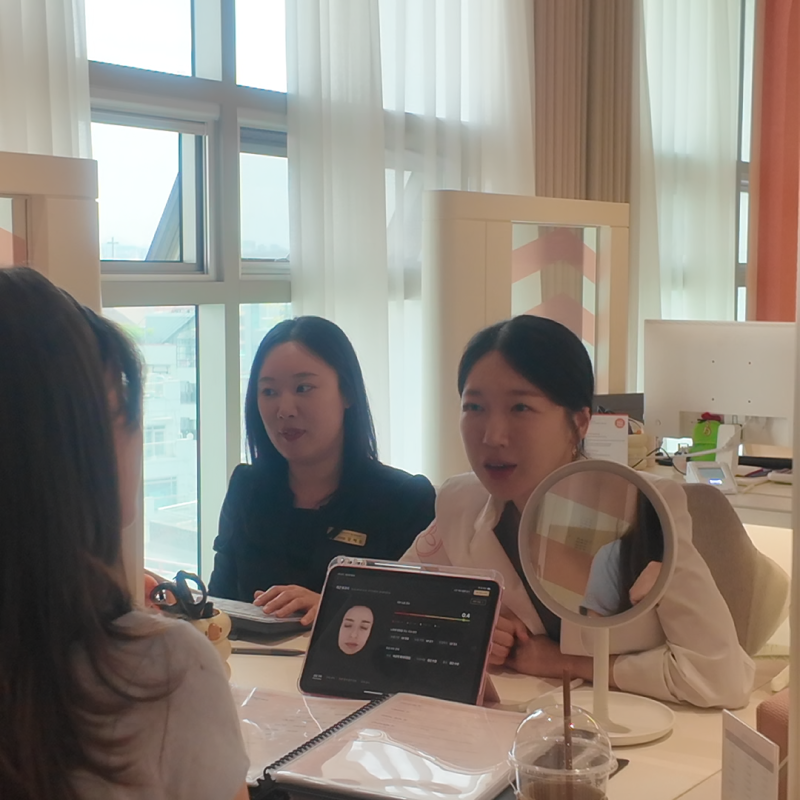
Check your skin condition carefully on days like these
You must avoid getting a peel on areas with open wounds, scratched or abraded skin, or sunburns. On days when redness or burning sensation is intense, do not proceed merely because an appointment was scheduled; check your skin status first. Allowing your skin barrier to calm down may need to come first.
You should also be cautious about scheduling an intense treatment right before an important event, as individual post-treatment skin reactions cannot be predicted with total certainty. If you have upcoming events like photoshoots or vacations, share the dates so a proper recovery and treatment plan can be designed together. Planning for aftercare is just as vital as booking the session itself.
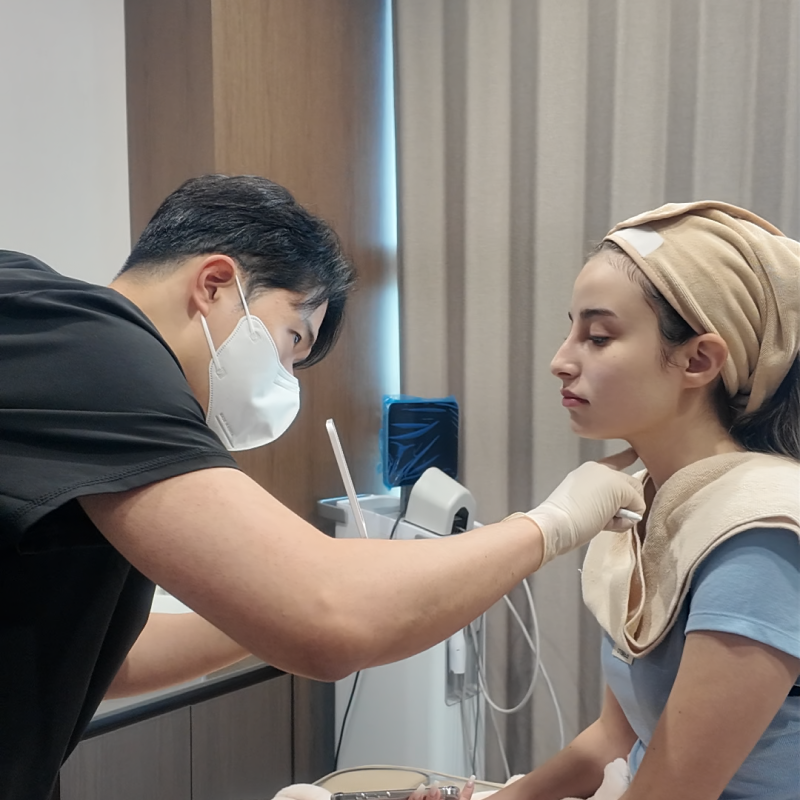
What should you share before treatment?
Let the clinic know about any recent laser or injectable treatments, their dates and target areas, home exfoliating products you use, and any known ingredient allergies. Mentioning when your skin started becoming red or stinging, as well as any recent changes in your skincare routine, is equally beneficial. Even if a procedure suited you in the past, a shift in your current barrier condition warrants revisiting the plan.
During your consultation, ask: "Is a peel appropriate for the skin texture improvement I desire?" If your primary concerns are pigmentation, scarring, or long-standing inflammatory acne, you should not expect a single peel to resolve them all. Seek clarity on what improvements a peel can genuinely deliver and what aspects may require different medical evaluations.
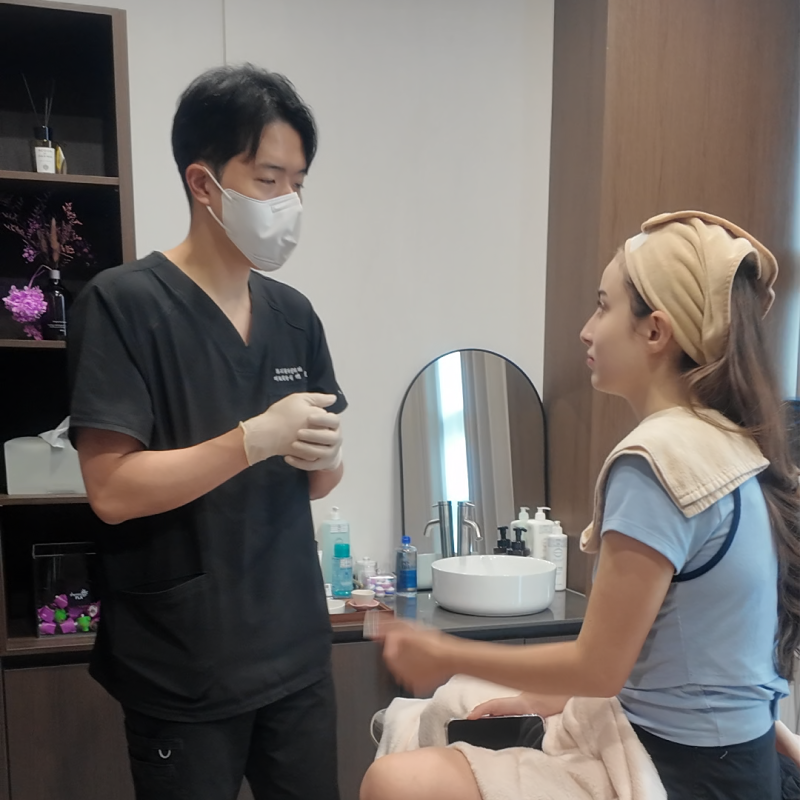
Does no stinging mean the treatment is weak?
The intensity of stinging is not a measure of effectiveness. It is not true that a treatment works better only if it stings intensely or causes noticeable sheet-like peeling. You do not need to arbitrarily increase the intensity or add extra home exfoliants simply because the sensation felt mild.
If you experience worsening burning or discomfort during the procedure, speak up immediately. Rather than enduring it to see if it's bearable, explain exactly which area feels uncomfortable and how. Mention any sensitive zones—such as around the eyes or mouth—before the procedure begins.
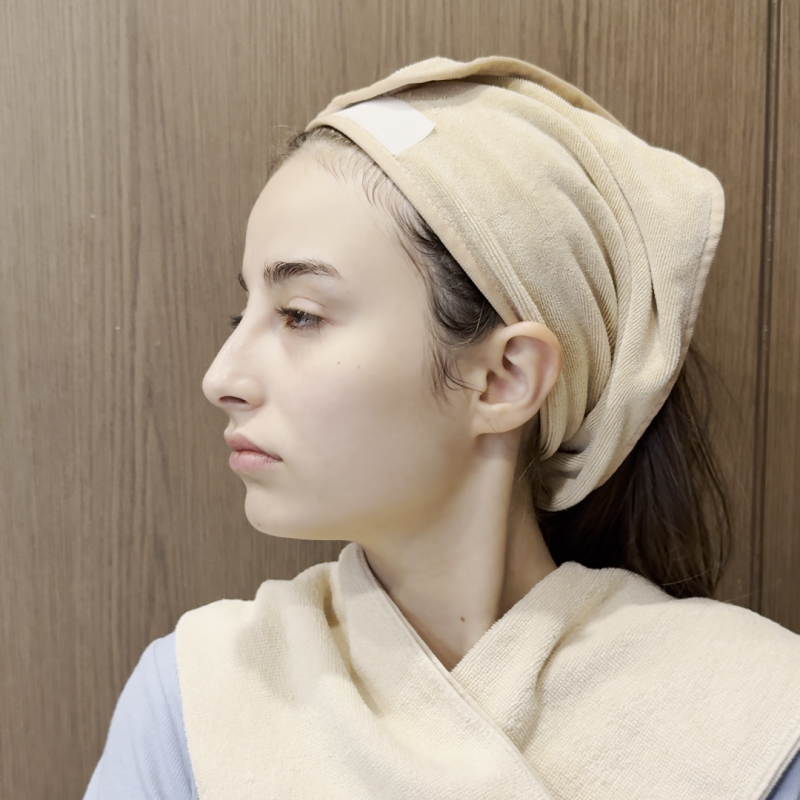
Do not rub your skin vigorously after treatment
Even if your skin feels smooth right after the procedure, avoid immediately adding scrubs or exfoliating pads back into your routine. If any loose, flaky patches remain, resist the urge to peel them off with your fingers or rub them like eraser shavings. Friction and scratching add unnecessary trauma to the skin barrier.
Cleanse and moisturize gently according to the provided instructions. It helps to clarify in advance which moisturizer is safe to use and when you can resume your regular skincare products. Rather than layering multiple new cosmetic products all at once, focus on keeping your skin calm and comfortable.
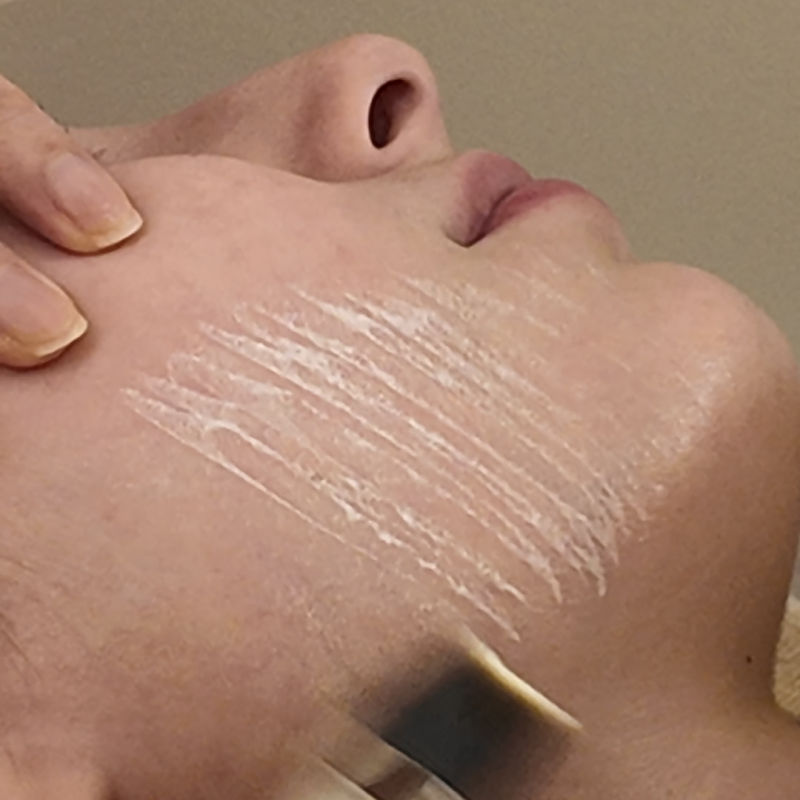
Should you repeat the peel if flakes remain?
Be cautious about repeating a peel simply because you still see some flakiness right away. Check first whether dryness or irritation persists, and identify what the primary underlying issue was. Stripping away more skin should never be the core goal of skincare management.
The interval between subsequent treatments should be tailored to your skin's ongoing response, not an arbitrary schedule set by someone else. Keeping notes on which areas improved and which symptoms lingered after the session will provide valuable guidance for your next consultation. You can take photos under the same lighting, but avoid judging the final outcome solely on a single day's glow.
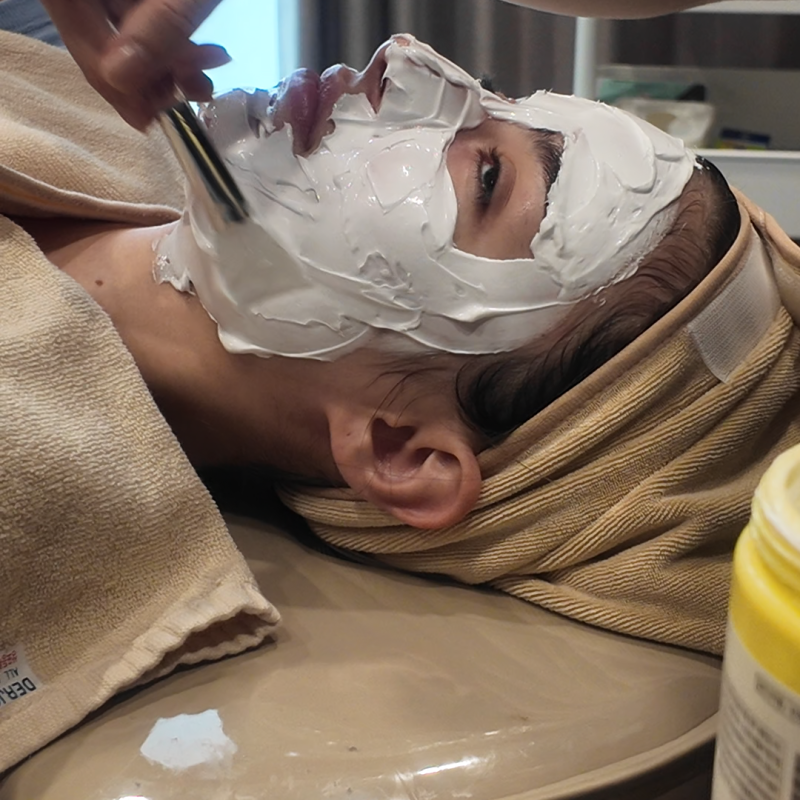
What if redness or stinging persists?
If burning, swelling, or itching worsens or lasts longer than expected, contact the clinic where you received care. If you notice blistering, oozing, or skin breakdown, do not wait for your next scheduled visit—have it evaluated promptly. Be sure to report the products you applied and the exact time symptoms started.
Instead of layering various new soothing creams or ointments to mask discomfort, get professional guidance first. Appropriate medical management varies depending on the specific skin condition. Follow the post-care instructions regarding sun protection when going outdoors and when it is safe to resume wearing makeup. If your skin feels stressed during recovery, do not stubbornly adhere to your usual habits.

When flakiness appears, the first question should not simply be, "What can I use to peel this off?" Take a step back and examine when it started, whether there is stinging or redness, and what products you have used recently. Understanding your skin's current condition before determining the appropriate scope of treatment is the most important step.
Beauty Blossom Clinic is located on the 6th and 8th floors of Medione Medical Center, right in front of Exit 3 of Hapjeong Station, 66 Yanghwa-ro, Mapo-gu, Seoul. Patient check-in and reception are on the 6th floor.



Frequently Asked Questions
Can I get an LHA Peel whenever I see dead skin flaking?
No. Just because dead skin cells are visible does not mean your skin needs a peel. Dryness or skin barrier irritation can also cause a rough, flaky appearance. If you have accompanying symptoms like stinging or redness, your skin barrier health must be assessed before deciding on a peel.
What should I disclose during the consultation before an LHA Peel?
You should provide details about your recent skincare regimen and procedural history. In particular, mention your use of retinols, prescription retinoids, or benzoyl peroxide, recent laser or injection sites, known ingredient allergies, and any past history of prolonged redness or stinging after peels.
Can I receive an LHA Peel if I have wounds or a sunburn?
No, this is not recommended. Peeling treatments must be avoided on broken, scratched, or sunburned skin to prevent further irritation. Likewise, on days when stinging or redness is heightened, prioritizing skin barrier recovery takes precedence over receiving a peel.
Does it mean the treatment was too weak if it didn't sting?
No. The degree of stinging or heavy skin peeling is not a measure of treatment success. You should not arbitrarily increase peeling strength or add home exfoliants because the sensation felt mild. If you feel severe discomfort during the procedure, inform the staff immediately.
How should I care for residual flakes after an LHA Peel?
Do not peel them off with your fingers or rub vigorously; instead, keep your skin gently moisturized. Using scrubs or exfoliating pads immediately after treatment adds unnecessary irritation. Allow residual dead skin cells to shed naturally while following the provided post-care guidelines.