2026-09-17
Hongdae Rejuran: Does No Embossing Mean No Results?
Beauty Blossom Clinic explains why a lack of visible embossing after Rejuran Healer does not mean the procedure was ineffective, and how to properly assess treatment outcomes.

Hello, this is Beauty Blossom Clinic.
If you look in the mirror after getting Rejuran and notice your skin isn't bumpy like the photos you saw online, it's natural to feel concerned. You might wonder, "Why does mine look different?" or "Does no embossing mean it didn't work?"
However, the lack of visible embossing does not mean the treatment was ineffective. Nor does having prominent, long-lasting marks mean the procedure was done better. What your skin looks like immediately after treatment and the actual changes you observe over time need to be evaluated separately.
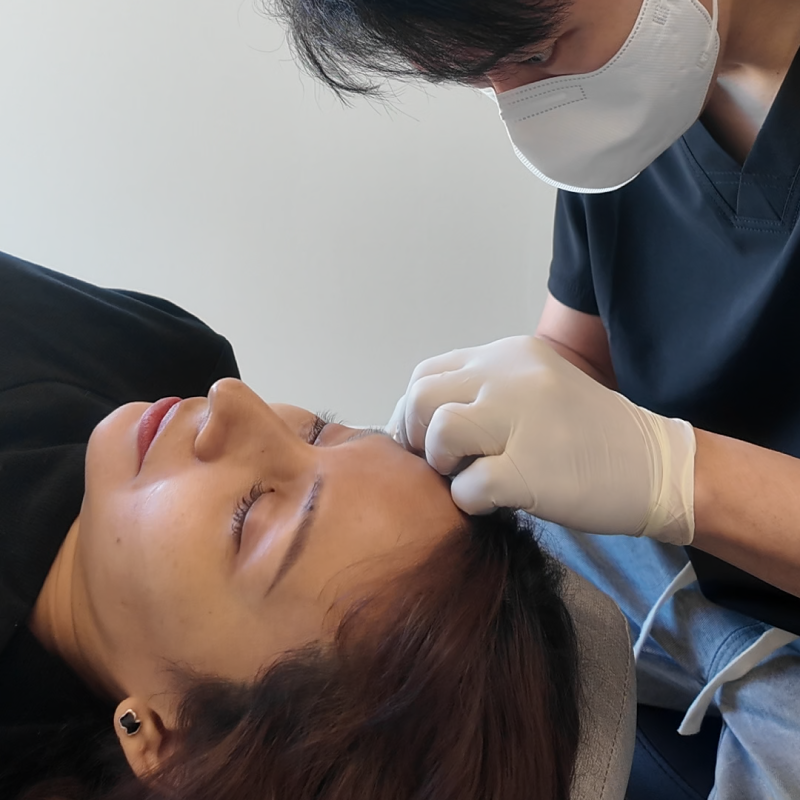
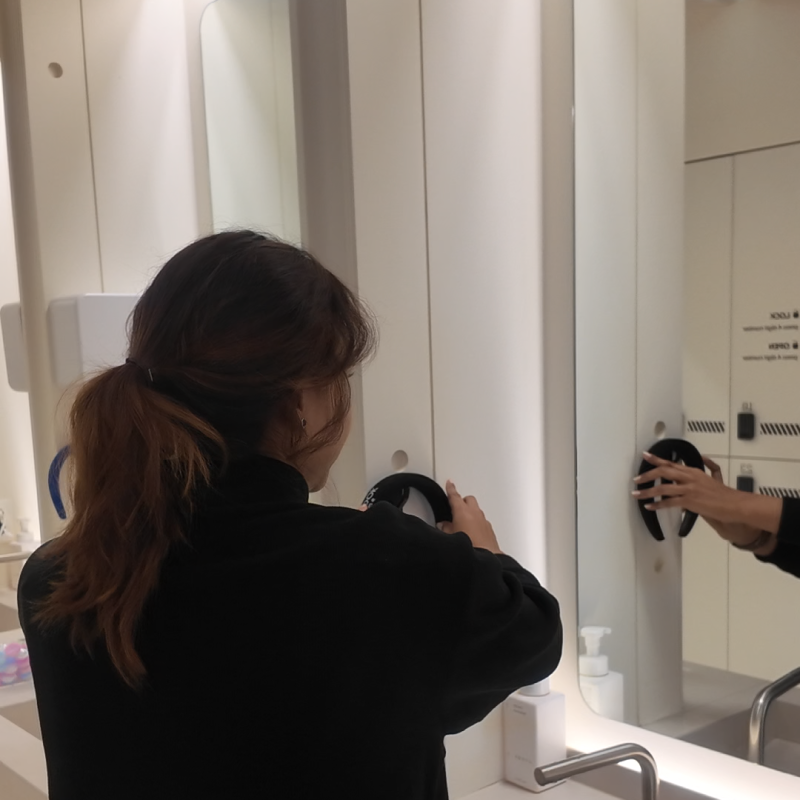
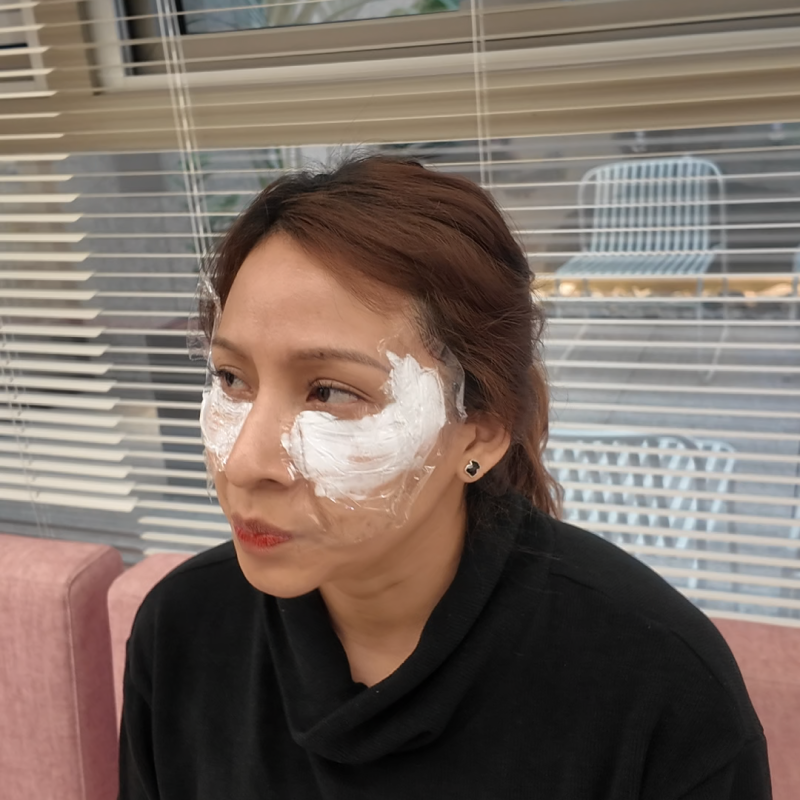
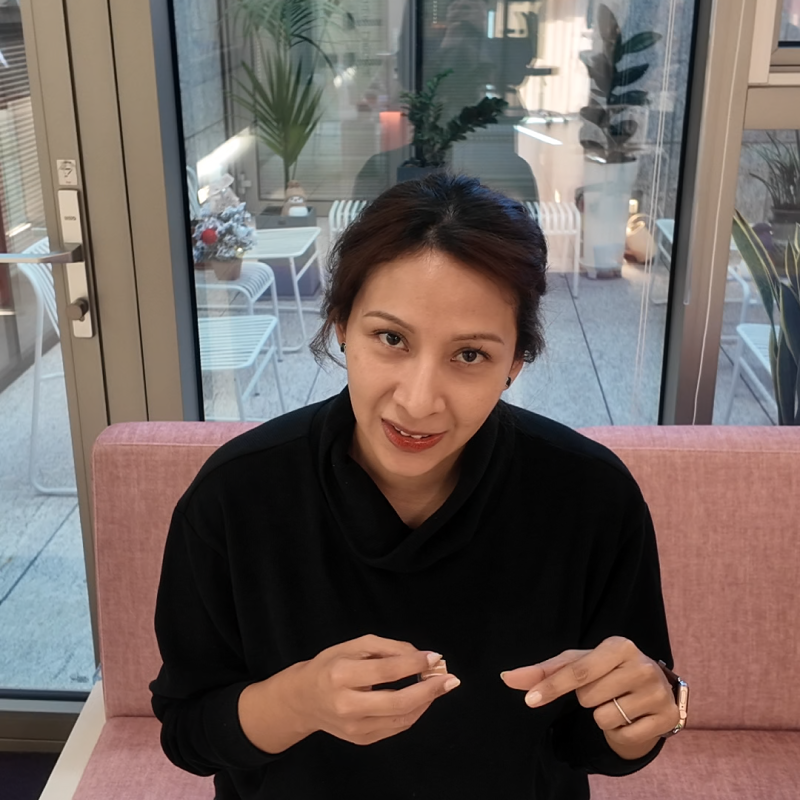
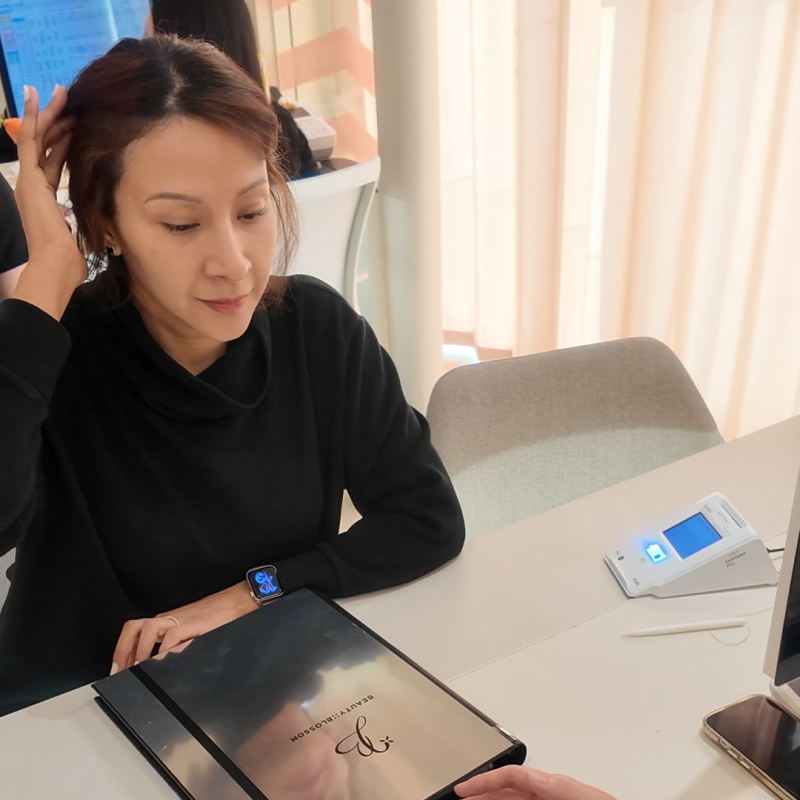
Before comparing yourself with others' photos, here is what you need to check. The photos below show treatment preparation, consultation, and procedures taken within our clinic; they are not before-and-after comparison photos for efficacy.
First, check which Rejuran product was used
Simply saying "I got Rejuran" doesn't tell which specific product was used or where it was injected. Even with similar names, the products and injection techniques can differ significantly.
The active ingredient in standard Rejuran indicated by the manufacturer is Polynucleotide (PN), designed to temporarily improve facial wrinkles in adults. There are also different variations such as Rejuran i, Rejuran S, and Rejuran HB Plus, so be sure to check the exact product name discussed during your consultation.
When looking at photos posted by others, this is the first factor to consider. Comparing skin marks when different products or treatment areas were involved will only cause confusion.
If you don't recall the exact product name, simply ask your clinic. Checking your own medical records is far more accurate than searching for similar-looking photos online.

Embossing is just temporary surface swelling right after injection
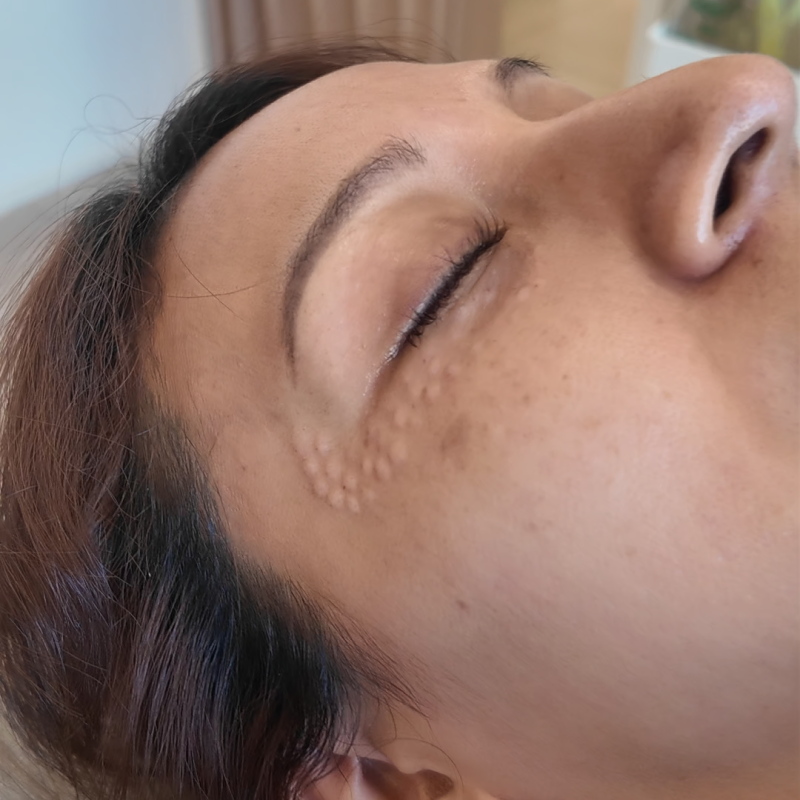
When Rejuran is injected into shallow skin layers across multiple points, each injection site can form a small, raised bump. This appearance is commonly referred to as "embossing."
The issue arises when people view these bumps as proof of efficacy. What you see in the mirror is merely the immediate texture of the skin surface, not the actual clinical result showing improvement in wrinkles.
It is also difficult to deduce the injection depth or volume from a photo alone. You need to know where and how the procedure was performed, as well as when the picture was taken. This is why a single photo with prominent embossing cannot serve as a benchmark for treatment success.
Please evaluate immediate marks and long-term skin changes as two distinct things. Conflating the two often leads to unnecessary worry immediately following the procedure.

What is easily overlooked when comparing with others' photos
The very first thing to consider is the timing of the photo. A photo taken right after the procedure, one taken after returning home, and one taken the next morning all reflect completely different conditions. It is difficult to compare an undated photo with your skin.
The lighting angle also plays a big role. Side lighting accentuates tiny contours on the skin, while direct, even frontal light makes them less noticeable. Close-up photos and distant shots also convey different impressions.
Check if a camera beautification or smoothing filter was applied. If a photo was intended to compare subtle marks but was altered by a filter, it cannot provide an accurate assessment.
Therefore, you don't need to assume your treatment went wrong just because your skin looks different from online photos. First, verify the photo timing, lighting environment, and whether the same product and treatment area were used.
Should you get an immediate re-treatment if there are no marks?
If your skin looks smoother than expected after the procedure, you might wonder, "Did the medication actually get injected properly?" Even so, you should not decide on immediate re-treatment just to create embossing.
Visible marks alone do not confirm the product used or the depth of injection. There is also no evidence that the product has leaked or dissipated simply because the bumps resolved quickly.
If you have concerns, contact the clinic where you received treatment, along with photos taken at the time. Providing specific details, such as "It looked like this about X hours after treatment; what progress should I expect with the technique used on me?", helps the medical staff address your questions accurately.
Whether another session is needed depends on your original treatment plan and current skin condition. Instead of aiming to recreate bumps like someone else's, revisit the original concerns discussed during your consultation.
If you are curious about results, document under consistent conditions
Recall what your primary concern was during the initial consultation—whether it was fine lines around the eyes or the skin condition in a specific area. It is best to evaluate progress based on that specific concern.
Take photos under consistent conditions: the same location, similar lighting, and comparable distance. Keep your facial expression neutral and turn off beauty filters for easier comparison. Rather than picking only the best-looking photos, focus on maintaining standardized conditions.
Recording the dates is also helpful. Relying solely on memory to recall "when it started looking like this" makes it harder to explain during follow-ups. Keep photos organized chronologically from immediately post-procedure onward.
However, photos alone cannot definitively establish results. Review your documented progress together with your practitioner at the recommended follow-up date, rather than jumping to conclusions based on what you see in the mirror the next day.
Do not dismiss worsening discomfort as mere embossing
Mild redness, bruising, or tenderness can occur after treatment. However, the recovery timeline varies from person to person, so someone else's review claiming "I was fine in just one day" shouldn't be your absolute standard.
What matters most is tracking how your own symptoms change. If your recovery differs from what was explained at the clinic, or if pain, swelling, or heat sensation worsens, do not assume it is just persistent embossing. Contact the clinic promptly.
When inquiring, provide the date and area of treatment, when symptoms first appeared, and how they have changed since. If you have photos, include the dates they were taken as well.
Even if you find similar-looking pictures in online comments, you cannot assume the condition is the same. When experiencing discomfort, it is always safest to consult the medical team who performed your procedure.
Do not try to press or flatten the bumpy marks
You might feel tempted to press on the raised bumps you feel with your fingers. However, rather than pressing firmly or rubbing them, please follow the post-procedure care instructions provided by your clinic.
When you can resume washing your face, applying makeup, or exercising also depends on the specific treatment and your skin's condition. Avoid applying one-size-fits-all timelines found on the internet. If you do not remember the instructions, call your clinic to verify.
Inform your practitioner about the skincare products you normally use and any new ones you plan to try. Rather than adding exfoliants or new cosmetics all at once out of concern for your skin, it is better to prioritize the care currently required.
Do not stop prescribed medications based on your own judgment; always check with both the prescribing physician and your aesthetic doctor. If you had adverse reactions or allergies during previous procedures, make sure to disclose them before your next session.
Three common questions about Rejuran embossing
Does longer-lasting embossing mean the results last longer?
The duration of visible surface marks does not correlate with the longevity of the treatment's clinical effects. If bumps persist alongside discomfort, do not consider it a sign of better efficacy; get it evaluated by a doctor.
Would injecting shallower create more noticeable embossing?
Creating visible bumps like those seen in photos is not the objective of the treatment. The injection depth and technique must be tailored by the doctor depending on the treatment area, skin condition, and intended outcomes. Rather than asking to replicate internet photos, ask your doctor to explain why a particular technique was chosen for you.
When should I check the actual results?
It is difficult to set a single timeline for everyone. Use the treatment plan established during your consultation and the clinic's recommended follow-up schedule as your reference. Note down any questions you have and discuss them during your next appointment.
If you are worried because you don't see embossing after your Rejuran procedure, remember that surface marks do not define the outcome. Start by reviewing what treatment you received and the specific improvements you are aiming for.

Directions to Beauty Blossom Clinic
Located on the 6th and 8th floors of Medione Medical Center, 66 Yanghwa-ro, Mapo-gu, Seoul. Reception is on the 6th floor, near Hapjeong Station Exit 3.
#Rejuran #RejuranEmbossing #RejuranPrecautions #BeautyBlossomClinic #HapjeongSkincare




Frequently Asked Questions
Does no embossing after Rejuran mean it didn't work?
No, the absence of embossing does not mean the treatment is ineffective. Embossing is merely a temporary surface contour that occurs when injecting into shallow skin layers; visible marks vary depending on the product type, injection site, and technique.
Does longer-lasting embossing mean the effects will last longer?
No, the duration of surface bumps does not correlate with how long the rejuvenation benefits last. If bumps persist with accompanying pain or heat, do not dismiss it as normal embossing—consult your clinic.
Should I get an immediate follow-up treatment if no marks appeared?
No, you should not schedule additional injections right away solely to induce embossing. Visible marks do not indicate whether product was absorbed or lost. Consult your practitioner based on your original plan and skin condition.
Can I press down on the raised embossing bumps to flatten them?
No, avoid firmly pressing or rubbing the area with your hands. Follow post-care instructions regarding cleansing, cosmetics, and exercise rather than manually trying to smooth the bumps.
What should I look for when comparing my skin with others' photos?
Pay attention to the photo's timing, lighting, and whether filters were used. A photo taken immediately post-procedure differs from one taken the next day, and lighting angles significantly alter the prominence of embossing.