2026-09-22
Hongdae Neck Wrinkle Filler: Are Deep Horizontal Lines and Fine Creases Treated the Same Way?
Exploring neck wrinkle fillers in Hongdae? Learn how deep horizontal creases and fine lines differ, why overfilling is risky, and what clinical safety signs to watch for.
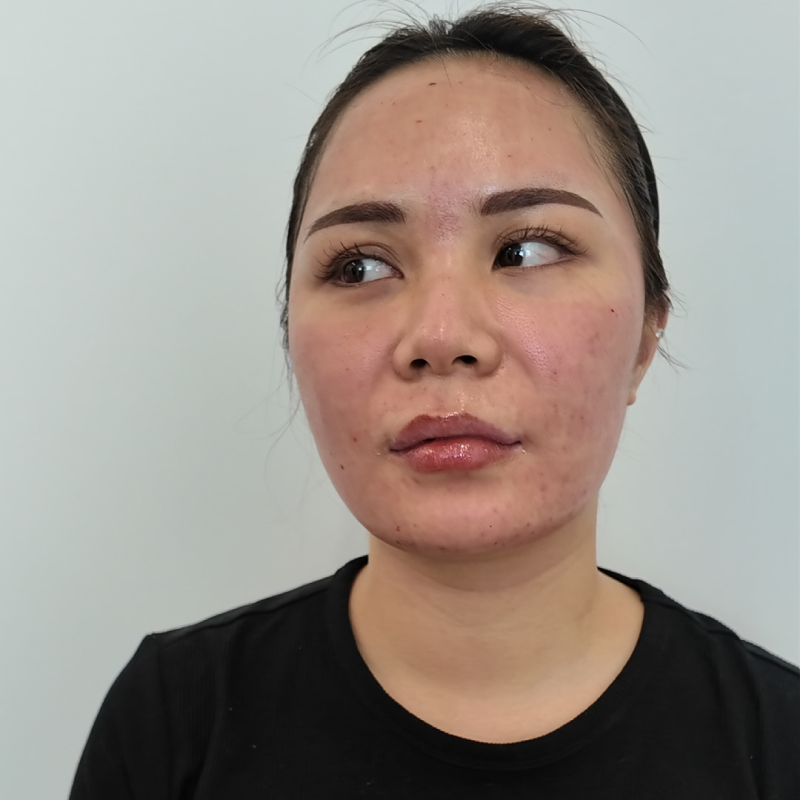

Have you been looking into fillers because of prominent lines across your neck? Deep horizontal creases tend to stand out in photos, while fine, shallow wrinkles become noticeable up close in the mirror. Although both are referred to as "neck wrinkles," they cannot all be addressed with the exact same approach.
When considering neck wrinkle fillers, it is best to first identify which type of line bothers you most. Whether it is a deep horizontal furrow present even when standing relaxed, fine surface crinkles, or vertical bands that emerge when flexing, each requires a different clinical approach.
Hyaluronic acid (HA) fillers are one viable option for replenishing hollow horizontal folds. However, they do not resolve general skin laxity or muscular motion in the same manner. For those considering a neck wrinkle consultation in the Hongdae and Hapjeong area, here is an overview of essential points to consider before deciding.
Horizontal lines and fine wrinkles often coexist on the same neck.
Certain lines soften when lifting the chin slightly, while others remain indented even with the neck at rest. Additionally, thin, crepey wrinkles can spread between the deeper horizontal bands. This is why overall skin condition cannot be judged by a single prominent crease alone.
During a consultation, your neck is assessed both in a natural resting posture and while moving. Take a look in the mirror to pinpoint the specific area that concerns you most. Rather than simply stating, "I want my whole neck to be smooth," highlighting the particular lines that bother you helps facilitate a more targeted and effective discussion.
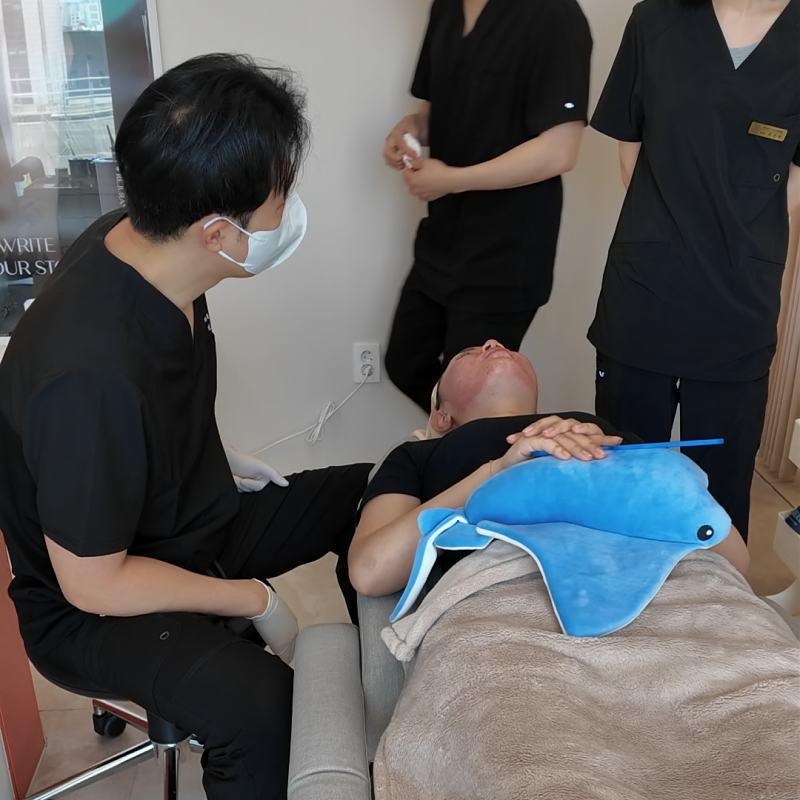
How do fillers address horizontal wrinkles?
Hyaluronic acid fillers are used to restore volume to indented crevices, making the lines appear softer and less pronounced. However, they do not erase every fold entirely, nor does everyone achieve the exact same outcome. It is helpful to distinguish between how much the lines soften and how the surrounding skin texture responds.
Depth, line structure, and surrounding skin quality must all be evaluated together. Deeply etched, longstanding creases may partially remain post-treatment, and addressing deep lines might still leave neighboring fine lines or laxity noticeable. It is important to receive clear, realistic expectations regarding potential improvements beforehand.
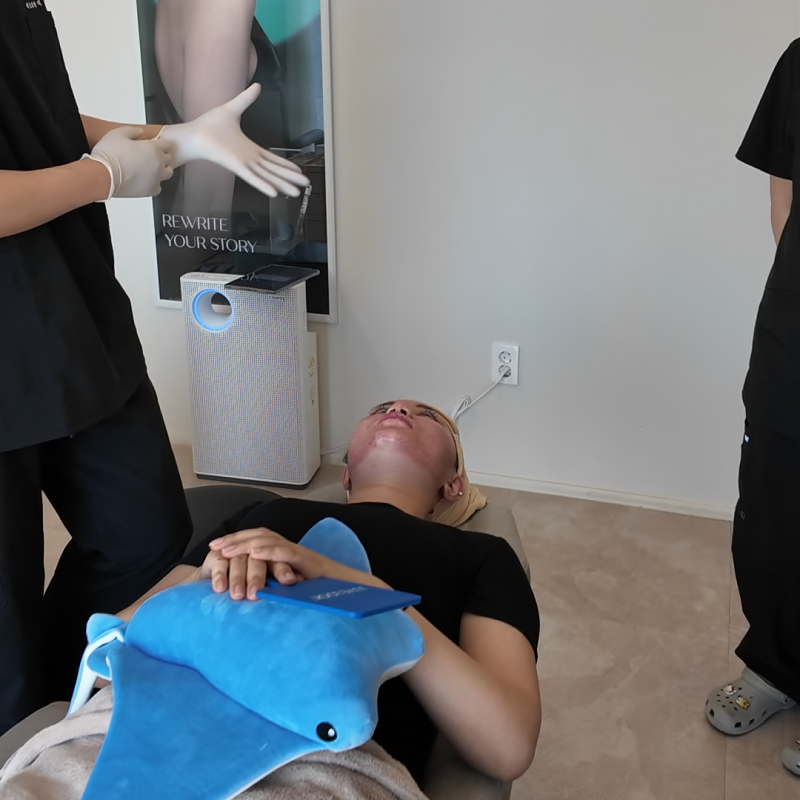
The unique anatomical characteristics of neck skin must be considered.
The skin on the neck is thin and undergoes constant movement. Therefore, rather than focusing solely on how much filler to inject, one must carefully consider how the skin surface will appear after the procedure. Results and recovery trajectories vary depending on the product’s rheological properties and the injection technique employed.
It is easy to assume that injecting more volume yields a better result, but simply increasing the amount is not the answer. Overfilling can cause surface irregularities or palpable lumps, making an individualized treatment plan essential. Be sure to ask about the chosen product, the rationale behind it, and when to assess the need for any touch-ups.
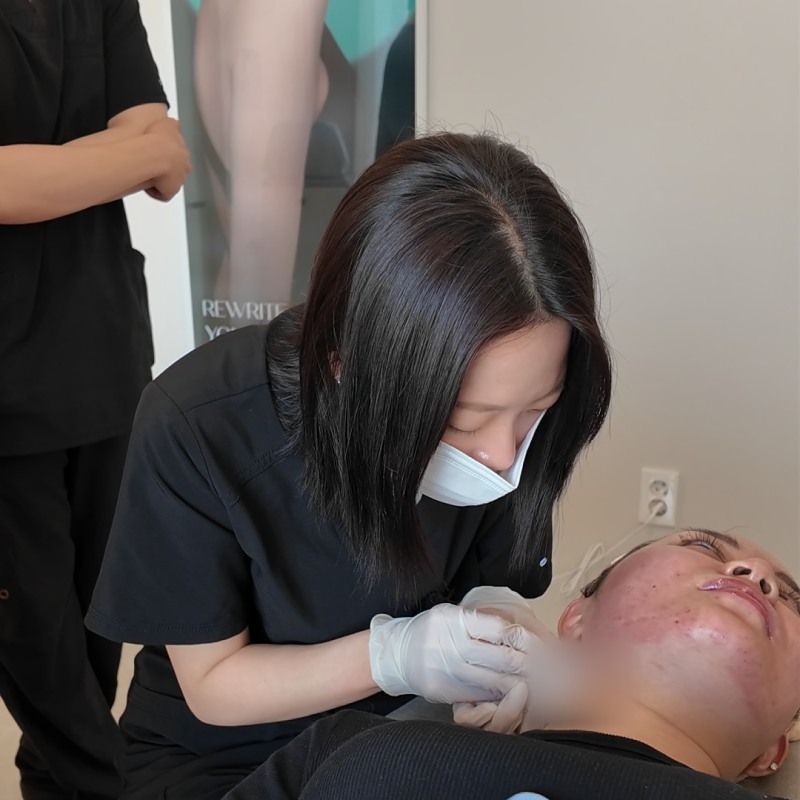
If fine lines are the main concern, the focus of the consultation shifts.
Rather than deep horizontal furrows, a widespread crepey, thin appearance might be your primary issue. Such skin texture concerns cannot be fully resolved simply by filling deep crevices. Baseline skin condition, elasticity, and concurrent aging signs must be evaluated first.
If complementary treatments are recommended, clarify the purpose of each procedure. Understanding which aspects are handled by fillers and what can be expected from other modalities makes decision-making much clearer. Undergoing multiple treatments simultaneously should never be the goal for its own sake.
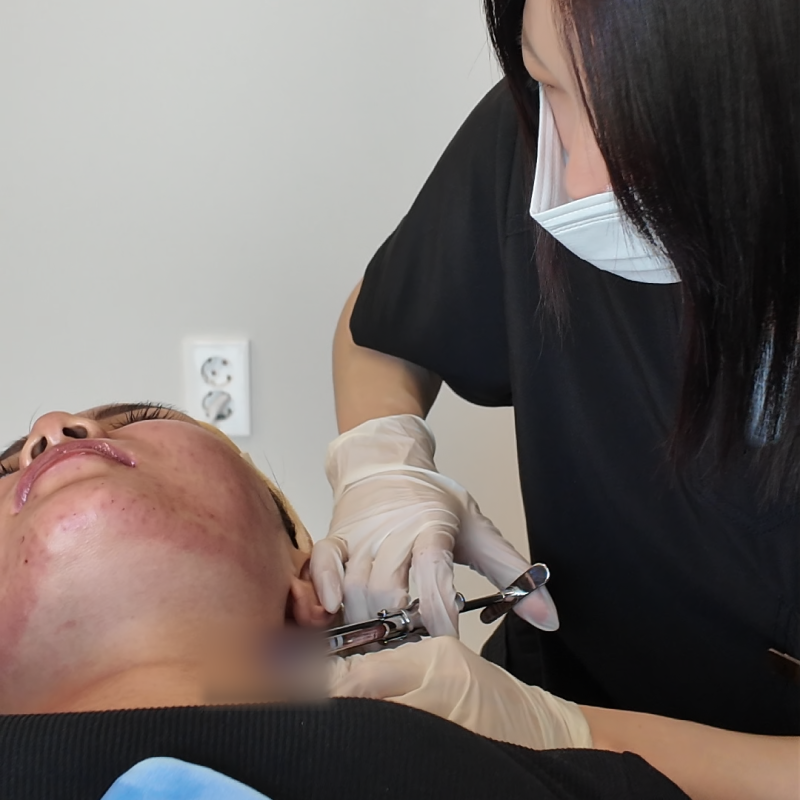
What about vertical cords that appear when straining?
Vertical bands that protrude when flexing the neck muscles are closely linked to platysma muscle contraction. They differ fundamentally from static horizontal furrows, both in appearance and in clinical evaluation. This is why a simple photo alone cannot determine whether filler is appropriate.
If vertical cords concern you, explain the difference between your neck at rest and when tensing your muscles. Fillers do not relax muscle tissue, so it is necessary to verify that the proposed treatment directly matches your aesthetic goals. Whatever treatment is suggested, ensure you understand both the clinical rationale and the expected limitations beforehand.
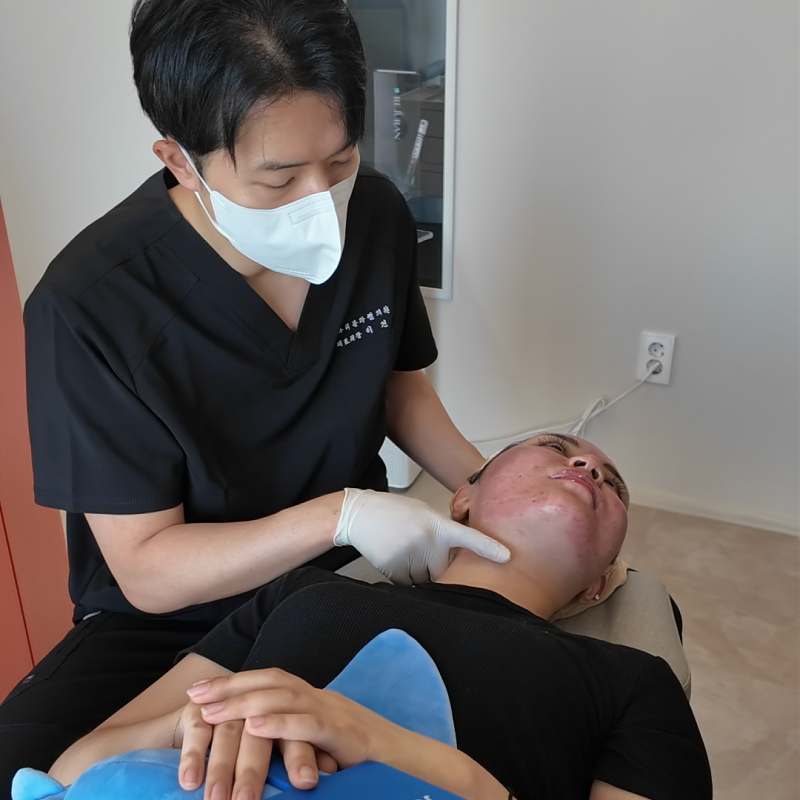
Does it mean the treatment failed if the skin doesn't look smooth immediately?
Immediately after injection, swelling, needle marks, and bruising may alter the area's appearance. The final outcome should not be judged based on these immediate effects alone. The true change in wrinkles and surrounding skin should be evaluated at the scheduled follow-up appointment as tissues settle.
However, if palpable lumps or noticeable unevenness occur, do not assume time will automatically fix them. Report where, when, and how these irregularities feel to your provider. Avoid pressing hard or aggressively massaging the area yourself; always contact your treating physician first.
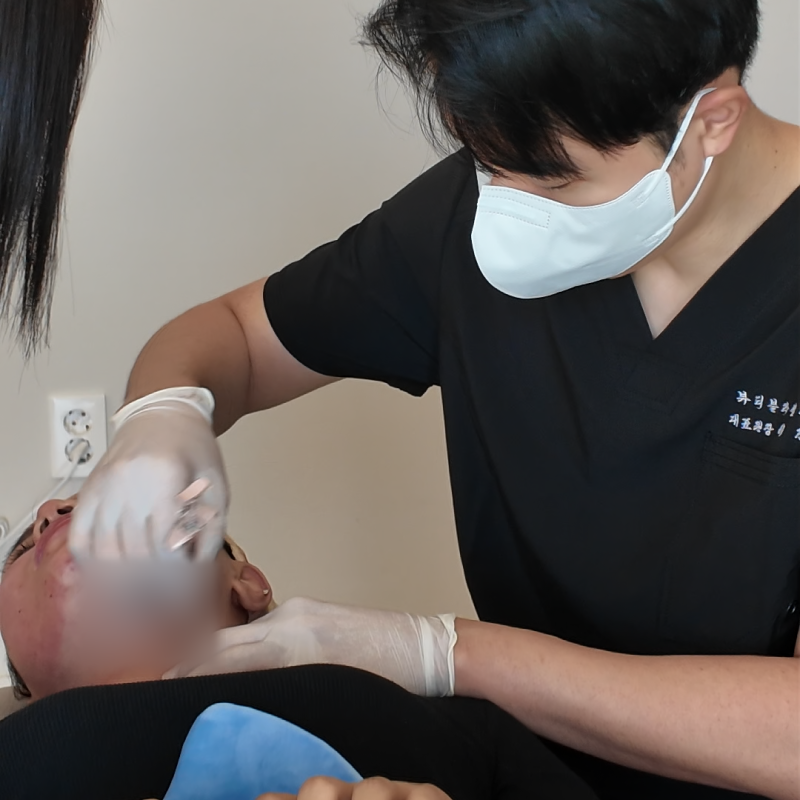
Important symptoms to watch for beyond bruising and swelling.
Post-procedure reactions such as swelling, erythema, bruising, and tenderness may occur. Because the severity and duration vary, confirm your aftercare instructions and clinic contact protocols. If you have significant upcoming events, inform your provider in advance to plan a schedule that accommodates recovery.
If the treated site develops worsening redness, heat, intensifying pain, or persistent hard nodules, a medical evaluation is required. Monitor not only the visible lines but also pain levels, skin color changes, and textural shifts. When sending photos for review, specifying exactly when symptoms began is helpful.
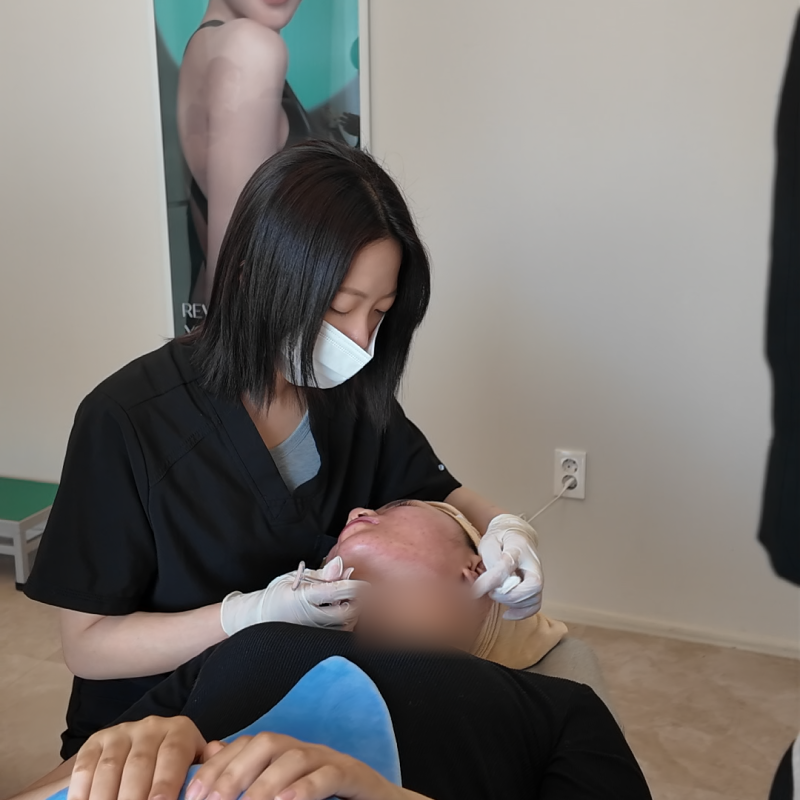
Do not wait if you experience symptoms requiring immediate medical attention.
Although rare, accidental intravascular injection of filler can compromise blood flow. Sudden, severe pain or the skin turning pale, grayish, or mottled blue around the injection site requires immediate medical attention. Do not wait until your scheduled follow-up appointment to report these signs.
If you experience visual changes, sudden vision loss, difficulty speaking, or weakness in your face or limbs, seek emergency medical care immediately. While such vascular or neurological complications are uncommon, they are critical safety risks to understand before undergoing treatment. Make sure you know the clinic's emergency contact procedures prior to your procedure.
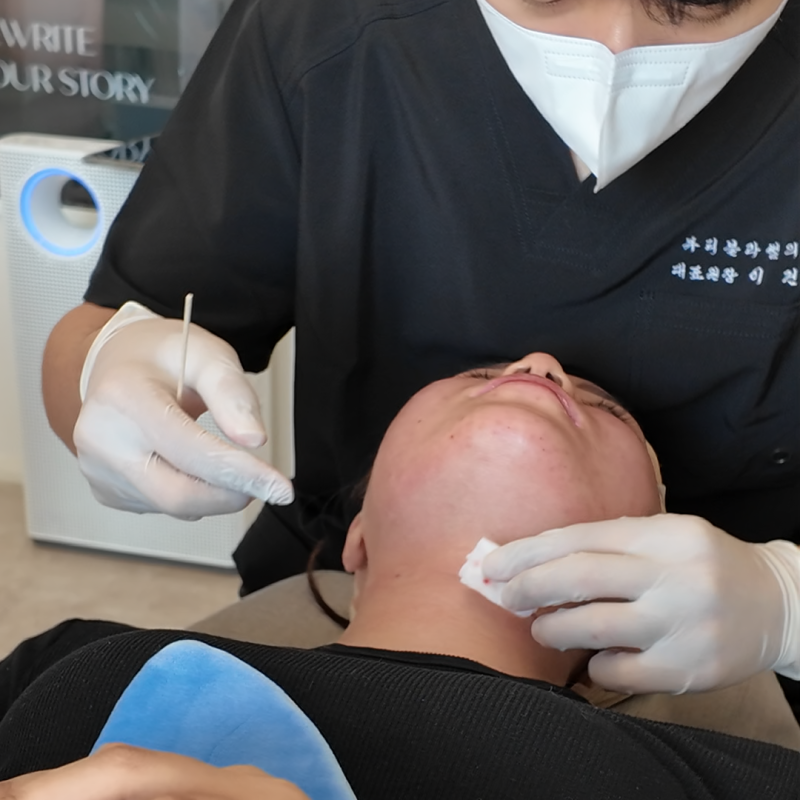
Disclose previous filler procedures and current medications.
If you have previously received fillers or other neck procedures, inform your provider of the product brand if known, along with the treatment timeline and treated areas. If you do not remember the specific product, simply state that. Reviewing past clinical records provides valuable context for consultation.
Additionally, disclose any allergies to drugs or ingredients, ongoing prescription medications, supplements, pregnancy, breastfeeding, or active skin inflammation and wounds. Do not arbitrarily discontinue prescribed medications just to reduce bruising; discuss any adjustments with the prescribing physician first.
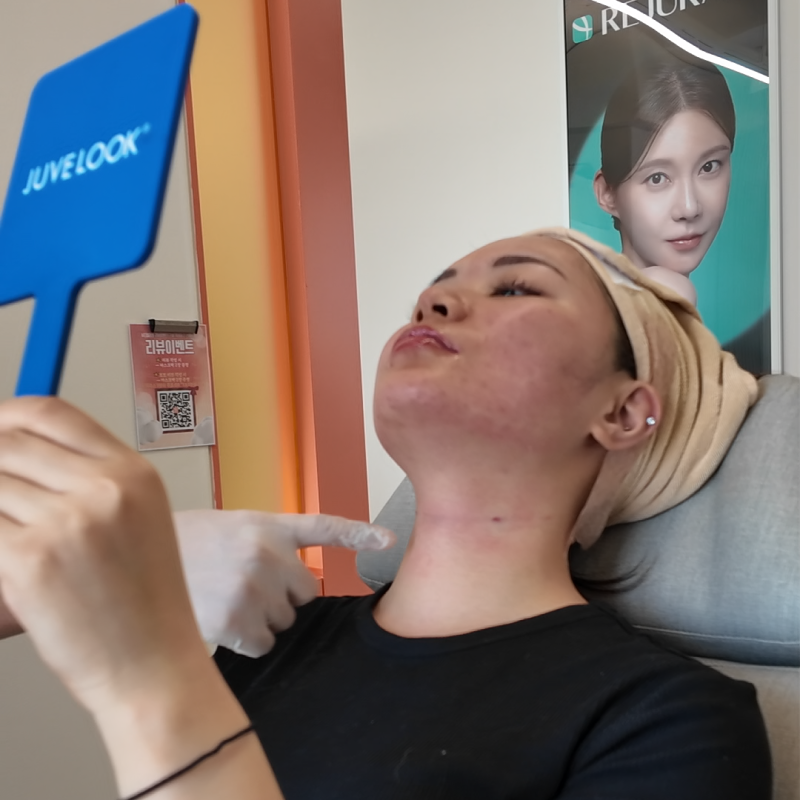
Additional treatments should be determined by evaluating remaining concerns.
Even if primary folds have softened compared to baseline, finer creases may persist. Rather than simply assuming "more filler is needed," evaluate whether the remaining concern is structural indentation or superficial skin texture. It is crucial to assess whether adding more filler is truly the appropriate next step.
Another person's filler volume or longevity cannot serve as your standard, as outcomes depend heavily on the specific product, injection site, and individual anatomy. Compare your actual progress against your initial baseline goals, weighing the expected benefits of further treatment against any potential burdens.

During your neck wrinkle consultation, ask not only "Will these lines disappear completely?" but also "Which parts can improve, and which parts may remain?" Understanding wrinkle types and realistic treatment scopes helps you make well-informed decisions without relying on idealized photo expectations.
Beauty Blossom Clinic is located on the 6th and 8th floors of Medione Medical Center, right in front of Exit 3 of Hapjeong Station, at 66 Yanghwa-ro, Mapo-gu, Seoul. Reception is located on the 6th floor.




Frequently Asked Questions
Can neck wrinkle filler eliminate all neck wrinkles at once?
No, not all wrinkles will disappear completely. Hyaluronic acid fillers work by restoring volume to depressed horizontal lines to make them appear less pronounced. Skin laxity, fine surface crinkles, and vertical bands caused by muscle movement cannot all be resolved with fillers alone.
Can vertical bands visible when tensing the neck be corrected with filler?
No, vertical bands are difficult to treat with fillers. These cords are closely related to the contraction of the underlying platysma muscle. Because filler does not relax muscle movement, a customized plan separate from horizontal line treatments should be discussed during consultation.
Does it mean the treatment failed if the neck skin doesn't look completely smooth right away?
No, an immediate post-treatment appearance should not be judged as a failure. Mild swelling, bruising, and needle puncture marks can temporarily cause an uneven look. Allow time for tissue recovery until your scheduled follow-up; if you feel firm lumps, consult your treating doctor rather than massaging aggressively.
What emergency symptoms require immediate contact with the clinic after filler injection?
Severe pain or the skin blanching, turning gray, or exhibiting mottled purplish-blue discoloration around the injection site requires immediate medical attention, as these are signs of potential vascular compromise. Furthermore, if you experience sudden vision changes, dizziness, or limb weakness, seek emergency medical care immediately.
Does injecting more neck filler guarantee better results?
No, arbitrarily increasing filler volume is not advisable. Neck skin is thin and subject to frequent motion; overfilling can lead to superficial lumpiness or visible bumps. Designing an appropriate, measured dosage tailored to your unique wrinkle depth and skin properties is essential for natural, safe results.