2026-09-21
Body Onda in Hongdae: How Do Weight Loss and Body Contouring Differ?
Discover how Body Onda targets localized fat, cellulite, and skin laxity in Hongdae. Learn why body contouring differs from weight loss and what to clarify before treatment.

Is your weight similar to before, yet your waistband feels uncomfortably tight? Or perhaps you've lost weight, but the loose skin around your abdomen makes you wonder if targeted care is needed. When researching Body Onda, terms like localized fat, skin laxity, and cellulite often appear all at once, making it easy to feel confused about what to expect.
First, it helps to distinguish your goals. Losing overall weight to manage health is evaluated differently than refining the contour or skin condition of a specific area. Body Onda is designed to address localized fat and skin laxity. It should not be viewed as a substitute for obesity management or a guaranteed way to lower numbers on the scale.
If you are exploring Body Onda in the Hongdae and Hapjeong areas, try identifying your most pressing concerns before deciding where and how much to treat. Beauty Blossom Clinic breaks down what you should clarify before your consultation.
Why should weight and body contour be viewed separately?
Asking "How many kilograms will I lose?" makes it difficult to establish proper treatment goals. Weight reflects changes across the entire body, whereas Body Onda focuses strictly on the condition of the targeted area. If overall weight reduction is your priority, a comprehensive approach involving diet, physical activity, and medical health management is necessary.
Conversely, your main concern might be your silhouette in certain outfits or the skin texture of a specific area, regardless of weight changes. Even then, assuming a treatment will automatically deliver your ideal shape is unrealistic. Identifying specific concerns allows your practitioner to clearly define what the procedure can address and what may remain unchanged.
Abdominal concerns often involve multiple issues
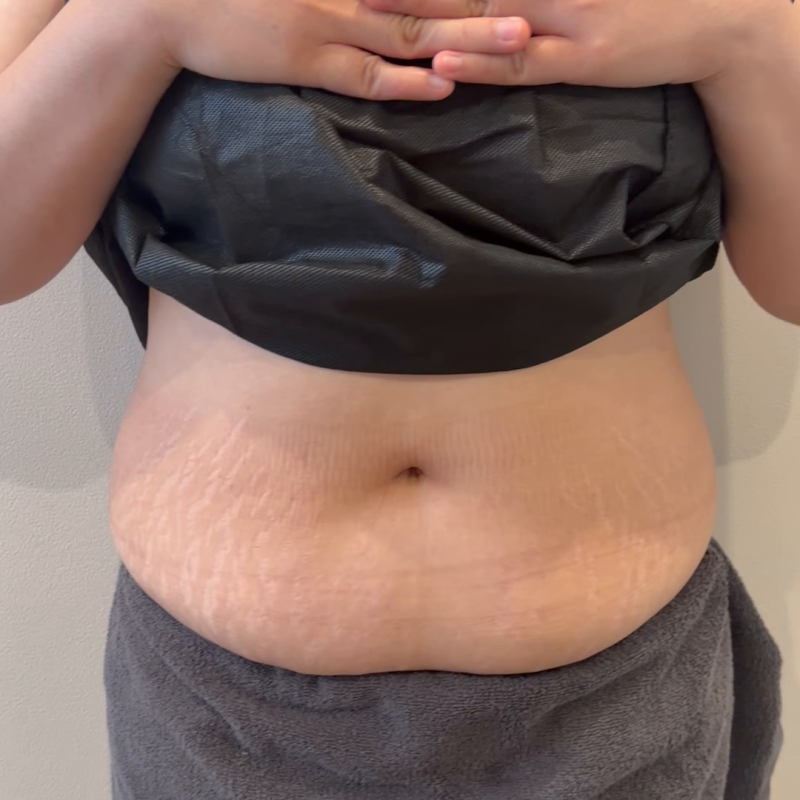
A thick waistline, folding skin, and an uneven surface texture represent distinctly different issues, though they often coexist in the same individual. For this reason, a simple statement like "my stomach sticks out" is insufficient to determine the right device settings or treatment intensity.
The curves visible in photographs do not directly correlate to the amount of fat Onda can reduce. During consultation, the skin and subcutaneous tissue of the treatment area must be evaluated to ensure your goals align with the device's capabilities. If you experience uncomfortable abdominal distension or pain, please seek medical evaluation for those symptoms prior to pursuing aesthetic procedures.
What kind of energy does Onda use?
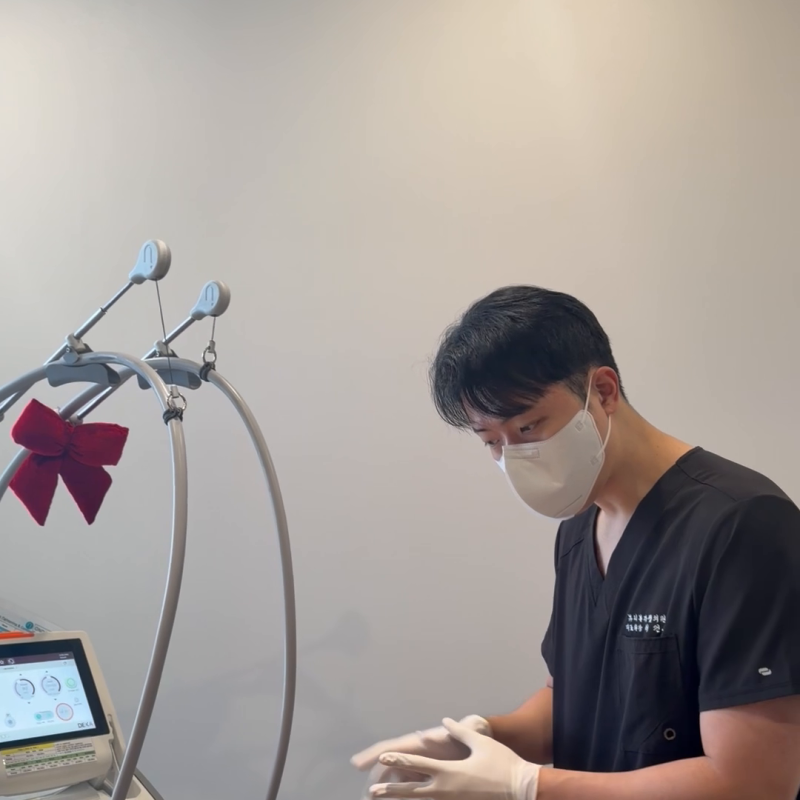
Onda utilizes microwave energy known as Coolwaves technology, developed by the manufacturer to target localized fat, cellulite, and skin laxity. It operates on a completely different principle from liposuction surgery, which physically extracts fat from beneath the skin.
Even with the same Onda device, treatment plans vary based on the specific anatomical area and intended goals. The exact same coverage and energy settings should not be applied to every individual. The targeted tissue layer, depth, and individual skin condition must all be carefully factored in.
What to look into beyond handpiece names
Onda features handpieces with different target depths and clinical purposes. The manufacturer categorizes them into Deep and Shallow handpieces, each utilized depending on fat thickness and skin condition. Rather than simply memorizing these names, it is far more beneficial to understand which handpiece will be selected for your case and why.
For instance, addressing localized abdominal volume requires a different consultation focus than smoothing surface irregularities. Rather than assuming stronger or deeper is automatically better for body treatments, confirm the exact treatment zone and realistic expectations. A more intense sensation does not guarantee better results.
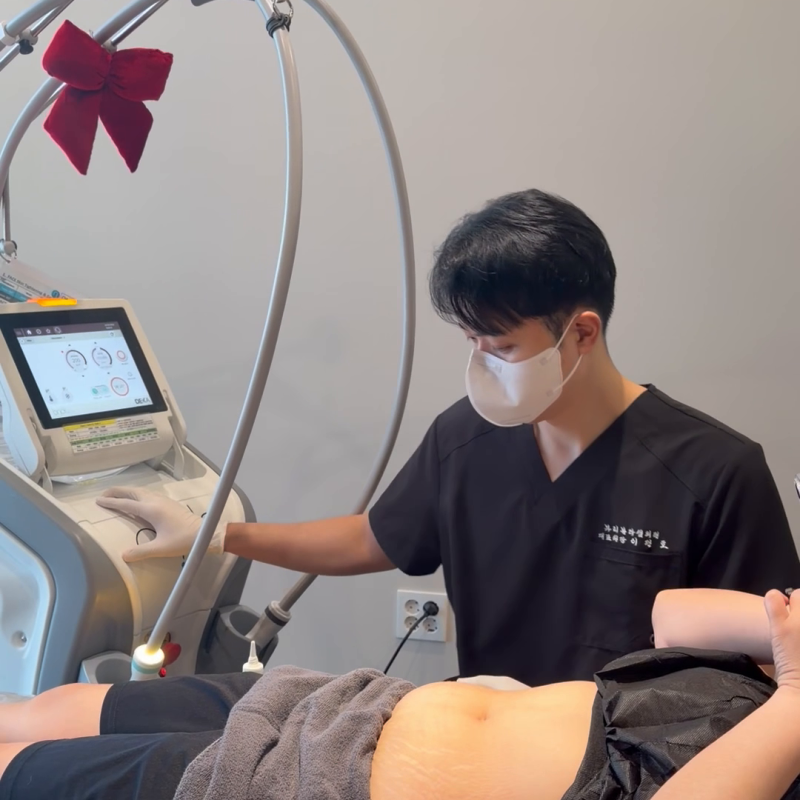
Session count depends on individual tissue response
Relying on someone else's session count to plan your own regimen is unreliable. Treatment surface areas, baseline tissue laxity, and desired outcomes differ, leading to varying individual responses. No medical provider can guarantee a flawless outcome in a single visit, nor can a set number of sessions promise definitive results.
During consultation, inquire not only about expected session numbers and treatment intervals, but also about when clinical progress will be assessed. Scheduling subsequent appointments is distinct from evaluating ongoing response. If results seem subtle, it is crucial to review whether initial expectations were realistic before simply increasing intensity or session frequency.

Report any discomfort during the procedure immediately
Although integrated contact cooling protects the epidermal surface, thermal complications can still occur. If a specific spot feels unusually hot or painful during treatment, speak up immediately without enduring it. This allows medical staff to verify proper handpiece contact and inspect the skin surface.
You should never conceal discomfort under the assumption that pain equates to better efficacy. Likewise, minimal sensation does not indicate an underpowered or ineffective session. Physical sensations during treatment should not be equated directly with clinical efficacy.
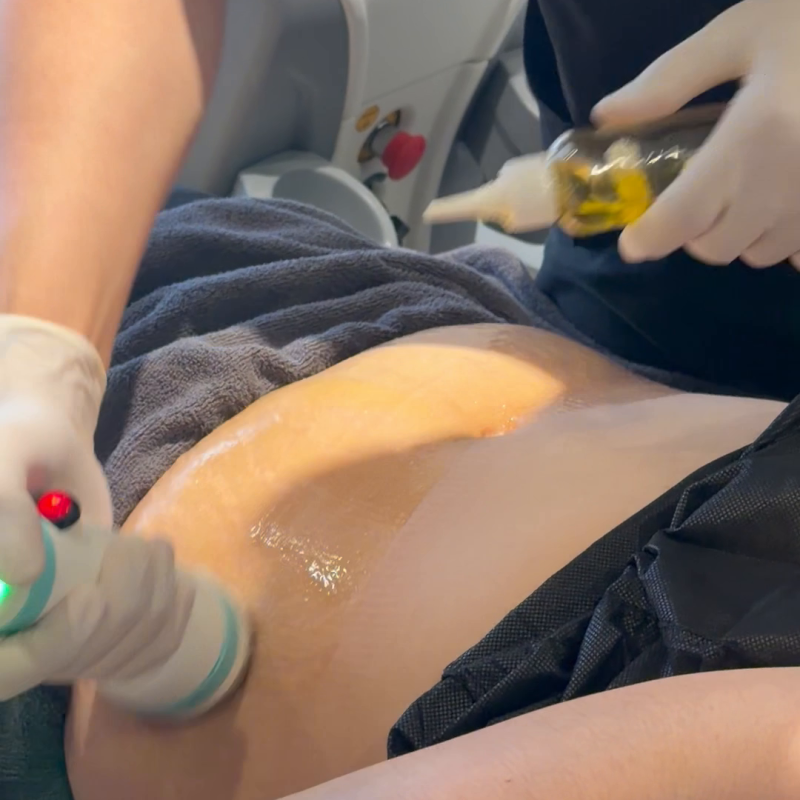
Important health information to disclose beforehand
Always inform your provider about pregnancy, breastfeeding, current medications, implanted medical devices such as pacemakers, metallic implants, or past surgeries in the treatment zone. Open wounds, active skin inflammation, or reduced thermal sensitivity must also be disclosed. Depending on these factors, treatment may need to be postponed or replaced with alternative modalities.
If undergoing abdominal contouring, detail any previous surgical scars or internal implants. Never discontinue prescribed medications on your own; provide the medication names and reasons for use so medical staff can coordinate safety with your prescribing physician if needed.
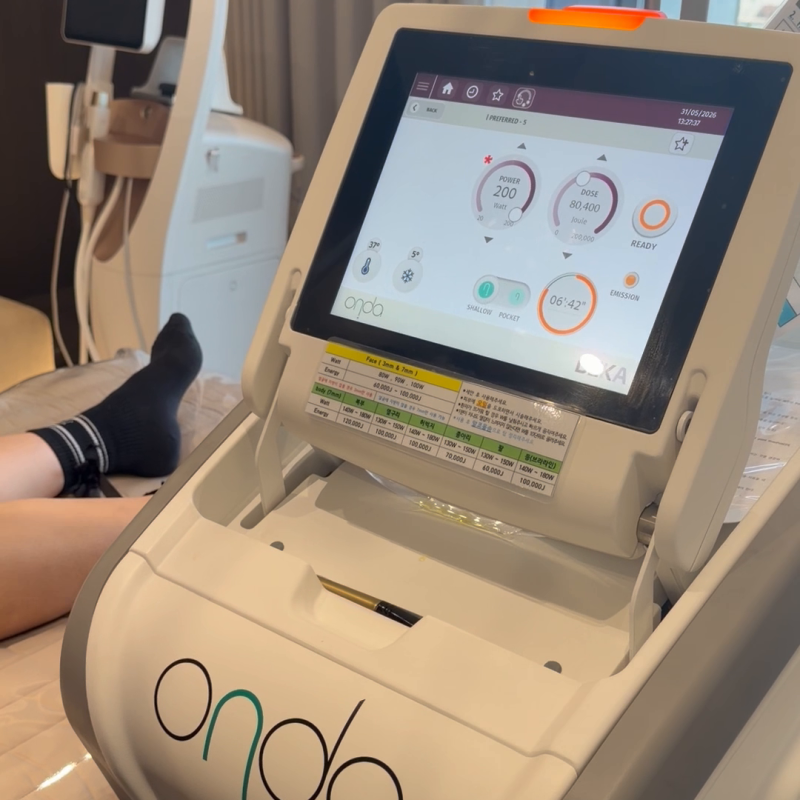
What should you monitor during recovery?
Following the session, temporary redness, swelling, tenderness, or mild discomfort may arise. Monitor the intensity of these symptoms and observe whether they diminish over time. Even if daily activities can be resumed immediately, expect that some transient sensitivity may occur.
If you observe blistering, skin damage, escalating pain, prolonged numbness, or palpable nodules, notify the clinic promptly for an assessment. Instead of attempting vigorous massage or other treatments to resolve issues, clearly report when the symptoms began and how they have evolved. Strictly follow post-procedure guidelines regarding activities to avoid and scheduled check-ups.

Compare changes under consistent conditions
It is difficult to judge treatment outcomes accurately from a single immediate post-procedure photo. When comparing results over time, maintain consistent posture, lighting, and camera distance. Documenting specific fit concerns with clothing also helps communicate desired changes clearly during consultations.
If your overall body weight has changed, be sure to mention it. This ensures whole-body weight fluctuations are not conflated with local contouring results. Treatment outcomes and the longevity of changes vary among individuals, making scheduled evaluations the best way to determine future care plans.
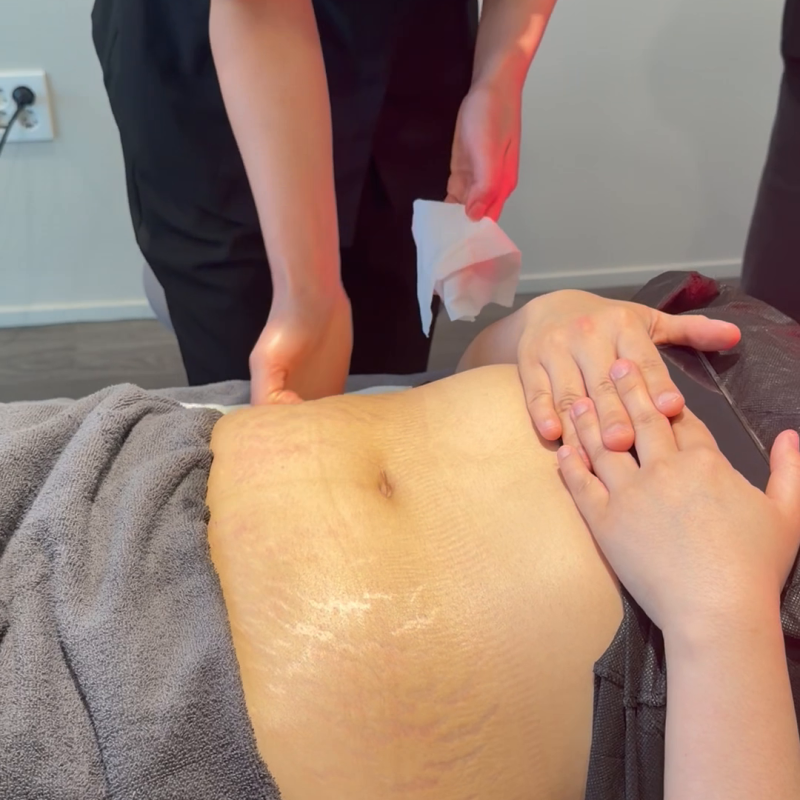
Are fat-dissolving injections necessary alongside Onda?
Body Onda and lipolytic injections operate through entirely distinct mechanisms. Just because they are frequently mentioned together does not mean combined therapy is necessary for everyone. If combination treatment is suggested, request an explanation of the specific purpose of each modality, along with potential side effects and recovery timelines.
Receiving multiple treatments simultaneously should never be the primary objective. First identify which modality best targets your primary complaint, then decide on an appropriate scope of treatment. If overall weight reduction remains your ultimate goal, consult on approaches specifically structured for weight management.
Before your consultation, organize three key points: your primary area of concern, your expected changes, and your history of relevant procedures or surgeries. Moving beyond "How much weight will I lose?" to ask "Which of my concerns can Onda realistically address?" provides a far clearer picture of expected results.
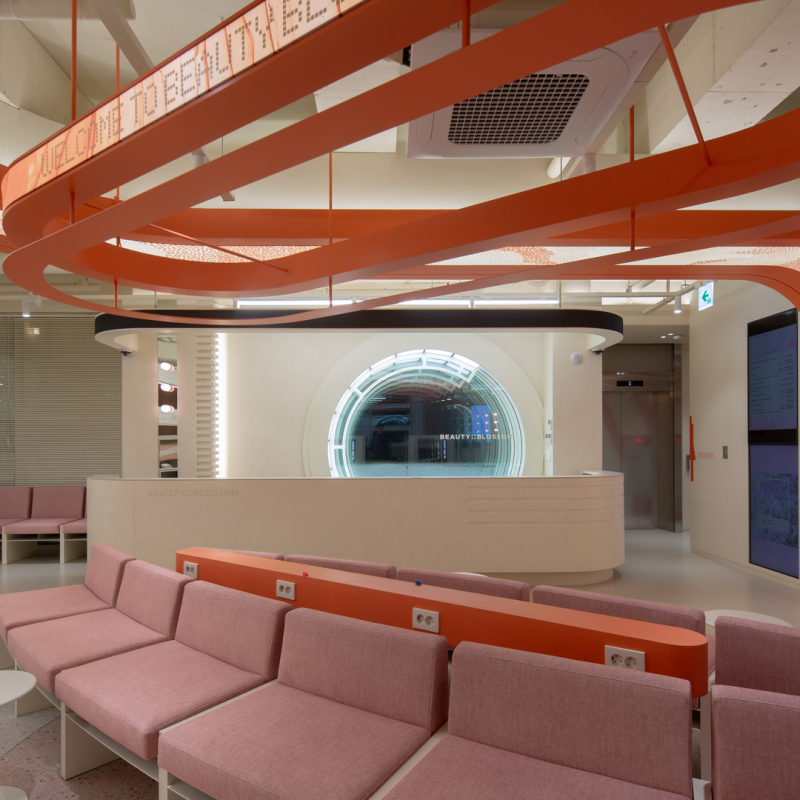
Beauty Blossom Clinic is located on the 6th and 8th floors of Medione Medical Center, in front of Exit 3 of Hapjeong Station, at 66 Yanghwa-ro, Mapo-gu, Seoul. Reception is on the 6th floor.


Frequently Asked Questions
Can Body Onda treatments reduce body weight?
No, Body Onda is not designed for overall weight reduction. Rather than managing systemic obesity, it utilizes microwave energy to target localized fat, cellulite, and skin laxity in specific treatment zones for body contour refinement.
How many Body Onda sessions are needed to see results?
The necessary number of sessions depends on individual tissue characteristics and the area treated. Because uniform session counts cannot be applied universally or guarantee specific outcomes, you should determine expected intervals and follow-up reviews through professional consultation.
Should I endure pain or extreme heat during the treatment?
No, you should notify your provider immediately without enduring extreme sensations. While surface cooling is active, thermal injuries can still occur, and higher pain levels do not correlate with superior outcomes. Any discomfort should be communicated right away to assess proper handpiece contact.
Do I have to combine Body Onda with fat-dissolving injections?
No, combination therapy is not mandatory. Body Onda and lipolytic injections utilize different mechanisms of action. If combination therapy is considered, make an informed decision only after receiving clear explanations regarding the purpose of each procedure, associated risks, and the recovery process.